Materials
SS 304 vs SS 316: Which Stainless Steel for Food, Chemical and Marine Parts?
The two most common stainless grades look the same and cost differently. Here is when 304 is enough and when 316 pays for itself.
2 min readBy the Alhamd Technologies team
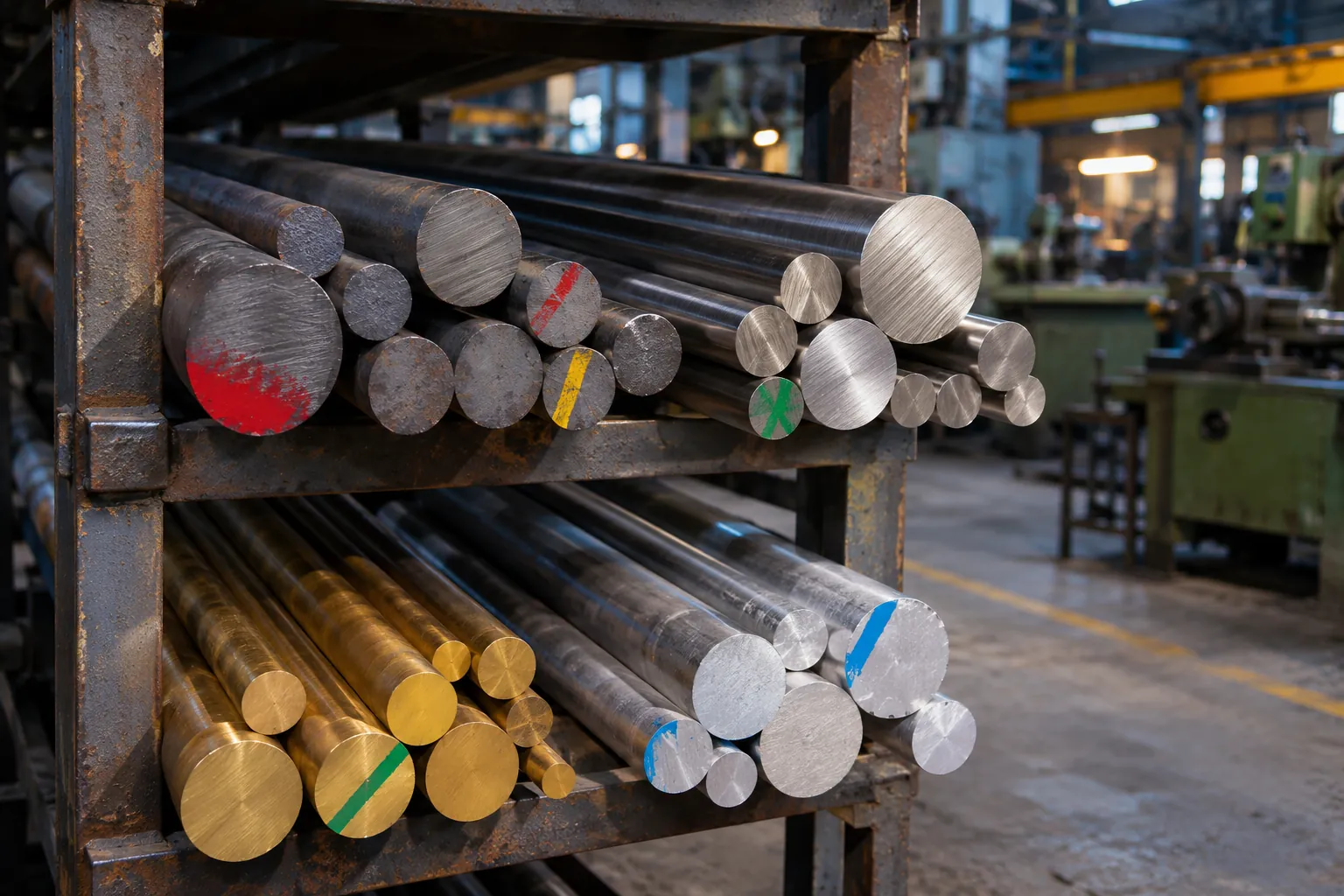
Put a bar of SS 304 next to a bar of SS 316 and you cannot tell them apart. In service, the difference shows within months if the wrong one is chosen: brown staining, pitting, and eventually leaks or contamination.
What is the actual difference?
Both are chromium-nickel stainless steels. SS 316 contains added molybdenum, which greatly improves resistance to chlorides, the salts found in sea water, brine, many sauces and common cleaning chemicals.
Where SS 304 is the right choice
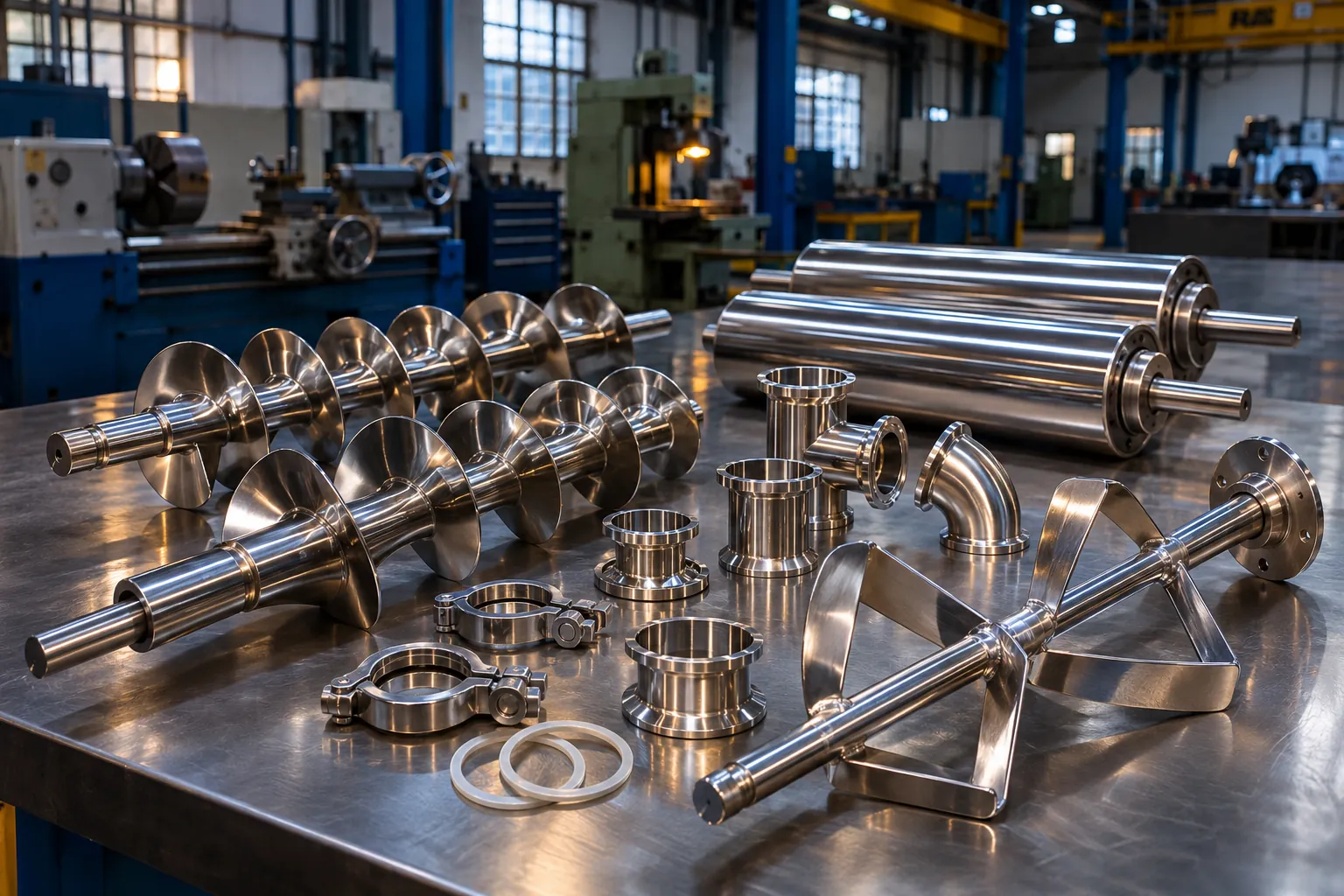
- Dry food products: flour, grains, sugar, snacks
- Dairy and beverage equipment cleaned with mild detergents
- Machine guards, frames, hoppers and tables
- General water service and indoor architectural work
Where SS 316 is worth the premium
- Salty or acidic foods: pickles, sauces, brines, seafood
- Marine parts exposed to sea water or sea air
- Pharmaceutical and chemical process equipment
- Plants that sanitise with chlorine-based cleaners
Machining and welding notes
Both grades work-harden, so they are machined with sharp tools and steady feeds. Welds should be made with matching filler and cleaned afterwards, because heat tint left on the surface is where corrosion starts.
Stainless parts should also be kept clear of carbon-steel grinding dust and tools. Embedded iron particles are a common cause of “rusting stainless”.
How to check what you have
The grade cannot be confirmed by eye or with a magnet. Ask for a material test certificate with the bar, or have the material checked with a spot test or analyser when the application is critical.
The short answer
If the part sees salt, acid or chlorine, specify SS 316. For everything else, SS 304 does the job at lower cost.