Machining basics
CNC Machining vs Conventional Lathe Work: Which Does Your Job Need?
CNC is not always better, and manual is not always cheaper. A practical way to choose between them by quantity, shape and deadline.
2 min readBy the Alhamd Technologies team
Customers often ask for “CNC work” because it sounds more accurate. Sometimes it is the right call. Just as often, a skilled turner on a conventional lathe will deliver the same part sooner and for less. The difference comes down to three things: how many, how complex, and how soon.
How the two differ
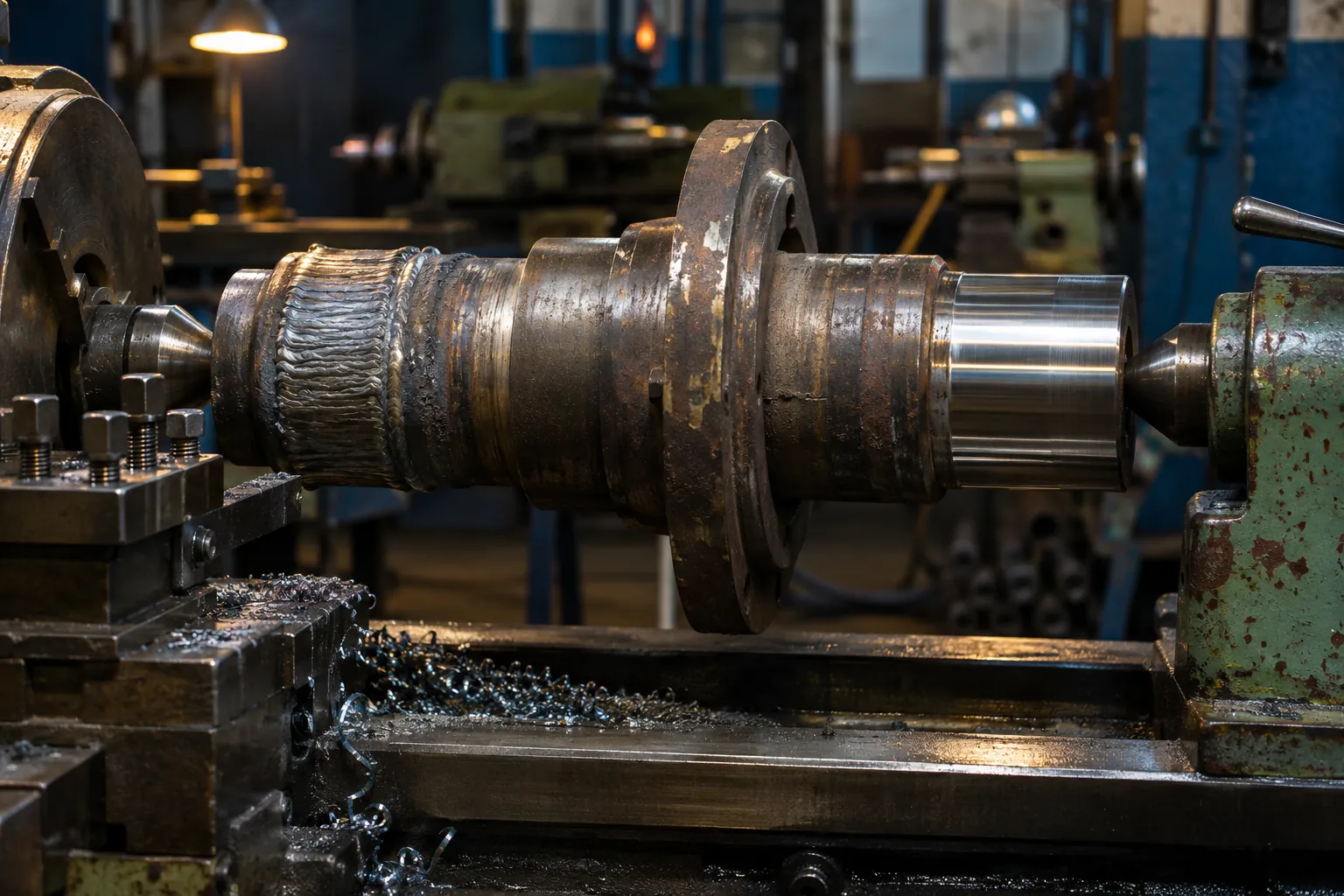
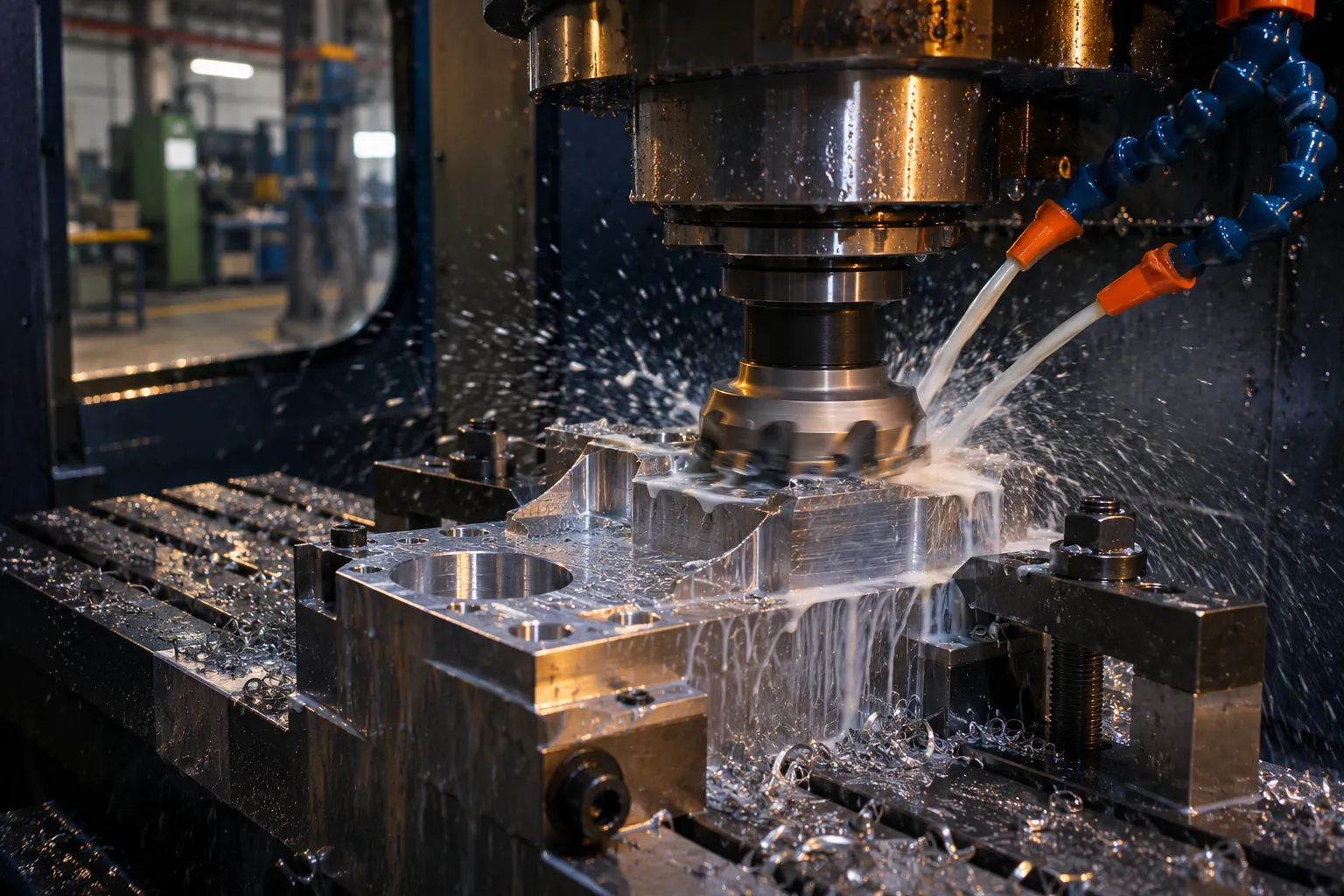
On a conventional lathe or milling machine the operator controls every cut by hand, measuring as the work proceeds. On a CNC machine the tool path is programmed and the machine repeats it exactly, cycle after cycle.
The CNC machine needs programming, tool setting and a proven first piece before it earns anything. That preparation is the price of repeatability.
When conventional work wins
- One-off spares and repairs, where setup time would exceed machining time
- Simple shapes: plain shafts, bushes, spacers, faced flanges
- Repair jobs that need judgement, such as cleaning up a worn journal to the smallest usable size
- Breakdowns where the part is needed today
When CNC wins
- Batches, where every part must match the last
- Curves, tapers, radii and profiles that are slow to produce by hand
- Parts with many features or hole patterns positioned from CAD data
- Repeat orders, since the program is kept and reused
What about accuracy?
Both methods can hold the tolerances that general engineering parts require. CNC’s real advantage is consistency: the hundredth part is the same as the first. For a single shaft, a good operator with a micrometer will hold a bearing fit just as well.
A simple rule of thumb
One to five simple parts: conventional. Complex geometry or repeat batches: CNC. Everything in between: ask. A workshop that has both will route the job to whichever is cheaper for your quantity, and many parts use both, with turning done conventionally and a profiled feature finished on CNC.